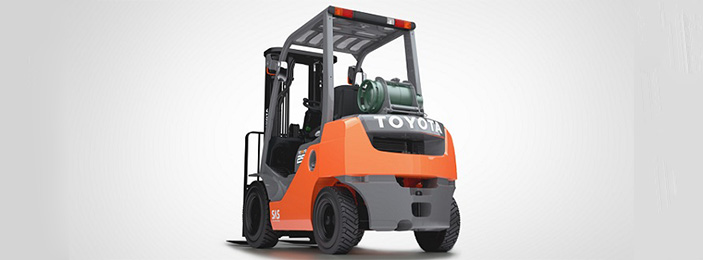
Discover our product range
Simple search for quality forklift trucks.


Our best-selling manual and electric pallet trucks are built for versatility, perfectly suited to stores, warehouses, and industrial sites. All with quick delivery, select the model that meets your needs to keep your operations efficient and seamless.
We provide a full range of forklift trucks and warehouse equipment, such as hand pallet trucks, powered pallet trucks, pallet stackers, order pickers, reach trucks, very narrow aisle trucks, towing tractors, engine powered counterbalance forklifts, electric counterbalance trucks, all with different energy solutions like lithium-ion, lead-acid and fuel cell technology. We also offer traditional engine-powered counterbalanced trucks, as well as innovative automated solutions. Our products can be used in a wide range of applications and industries such as cold store, manufacturing & production, retail and warehousing, transport and distribution and quiet-operation areas.
Supported by our services and solutions, including forklift fleet management I_site, rental solutions, used trucks, service, parts, financing, operator training and racking & storage, we strive to be the preferred partner in material handling solutions. With extensive experience in lean manufacturing, we are proud to produce and distribute innovative and high-quality material handling equipment according to Toyota Production System, TPS. Get to know more about our lean philosophy by exploring Toyota Lean Academy